
Seasoning
How to Season Firewood in Canada
Drying timelines by species, splitting guidelines, and regional climate considerations from British Columbia to the Maritimes.
Rules for drying, stacking, and protecting your wood supply through changing seasons — from freshly split logs to ready-to-burn stock.

Core Topics
In Canada, the difference between a functional wood supply and a damp, pest-ridden heap often comes down to three factors handled well at the start of the season.
Freshly cut wood holds significant moisture. Wood burned above roughly 20% moisture produces less heat, more smoke, and builds creosote in flues. Proper drying brings levels down to a workable range.
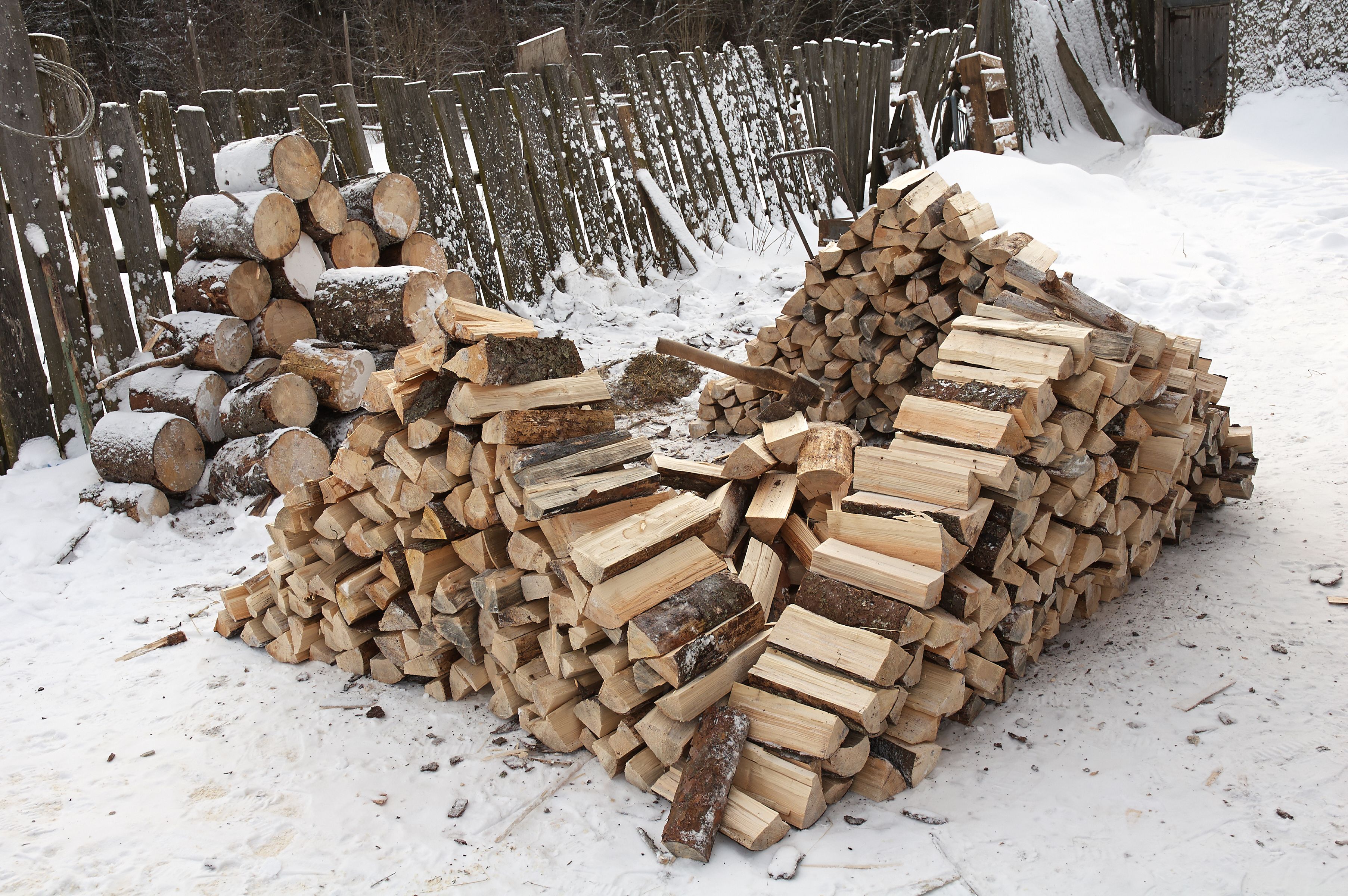
How wood is arranged affects both how quickly it dries and how stable the pile remains through freeze-thaw cycles. Rows with air gaps dry faster than dense heaps, and proper end support prevents collapse.
Top cover stops rain from soaking the stack while open sides allow airflow to continue drying the wood. Placement away from house walls and elevated off bare ground reduces pest access and rot.
Articles
Three detailed guides covering the main stages of preparing a firewood supply for Canadian conditions.
Seasoning
Drying timelines by species, splitting guidelines, and regional climate considerations from British Columbia to the Maritimes.

Stacking
Row stacking versus round stacking, end support methods, and choosing a site that supports drying while staying accessible through winter.
Protection
Cover materials, elevation strategies, and the signs of pest activity — mice, carpenter ants, and wood-boring beetles in Canadian climates.
Quick Reference
Drying time varies considerably between species. Hardwoods take longer but produce more heat per cord once dry.
| Species | Type | Typical Drying Time | Notes |
|---|---|---|---|
| White Birch | Hardwood | 6–12 months | Common across Canada; bark retains moisture — split before stacking |
| Manitoba Maple | Hardwood | 12–18 months | High density; splits cleanly when frozen in winter |
| Eastern White Oak | Hardwood | 18–24 months | Dense; very high heat output when properly seasoned |
| Trembling Aspen | Hardwood | 6–9 months | Low density; dries quickly but burns fast |
| Jack Pine | Softwood | 3–6 months | Dries fast; high resin content — best used alongside hardwood |
| Black Spruce | Softwood | 3–6 months | Widely available in northern regions; moderate heat output |
Contact
Use the form below for topic suggestions or general enquiries about firewood preparation.
Your request has been submitted.